
850 Lombard Street
Description of Historic Place
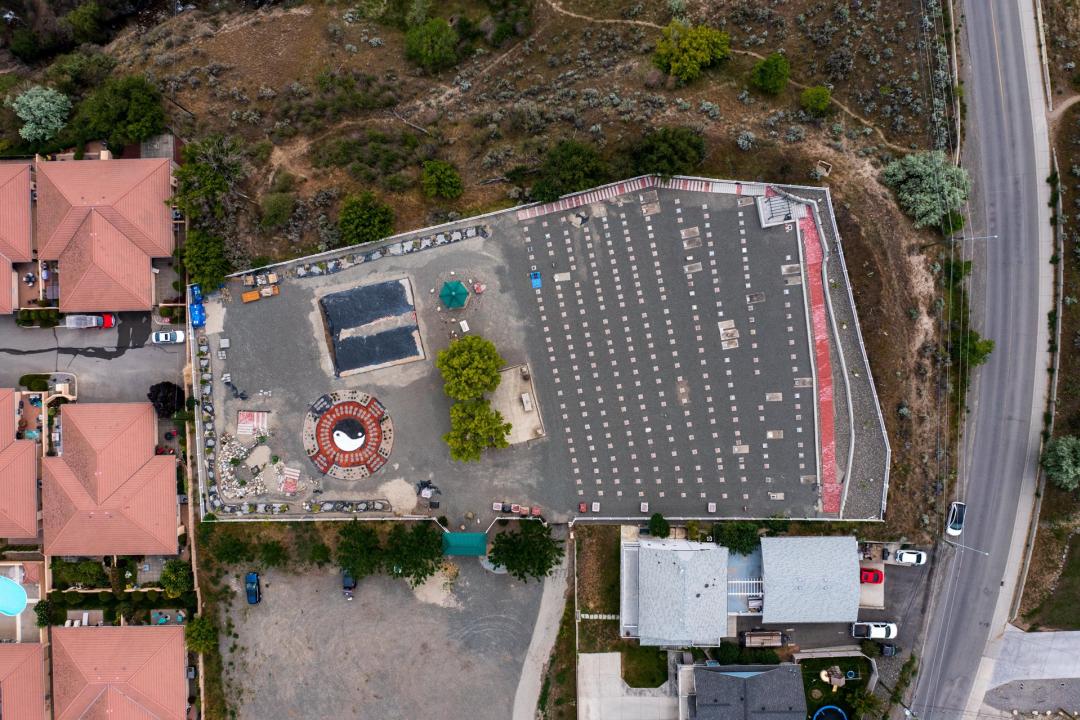
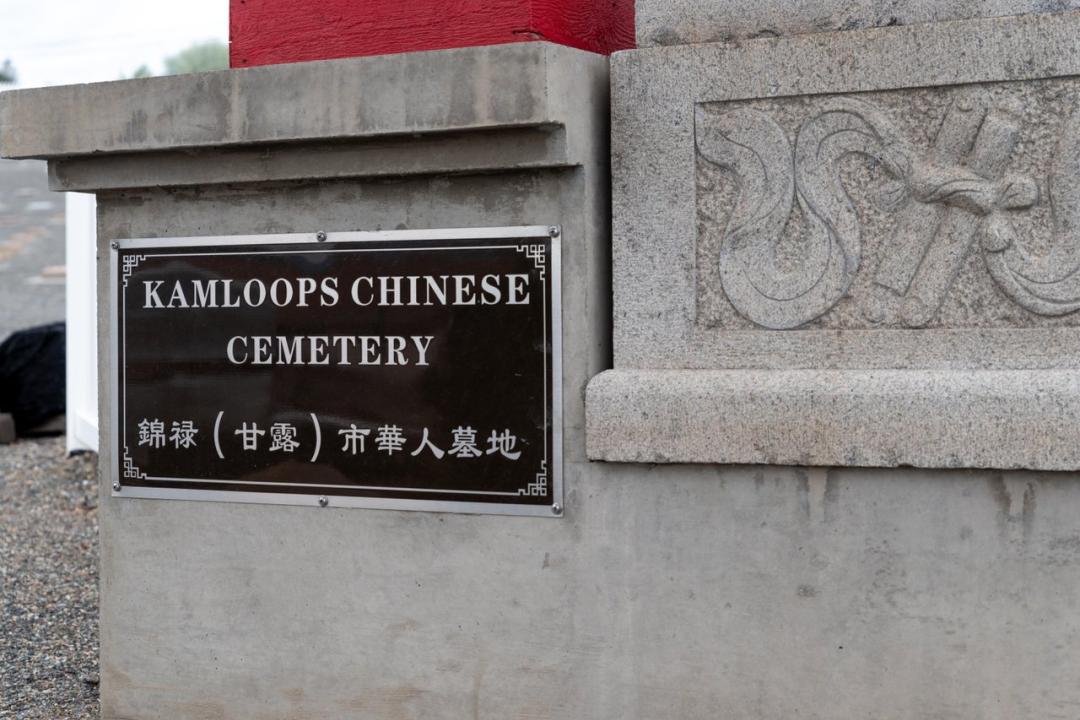
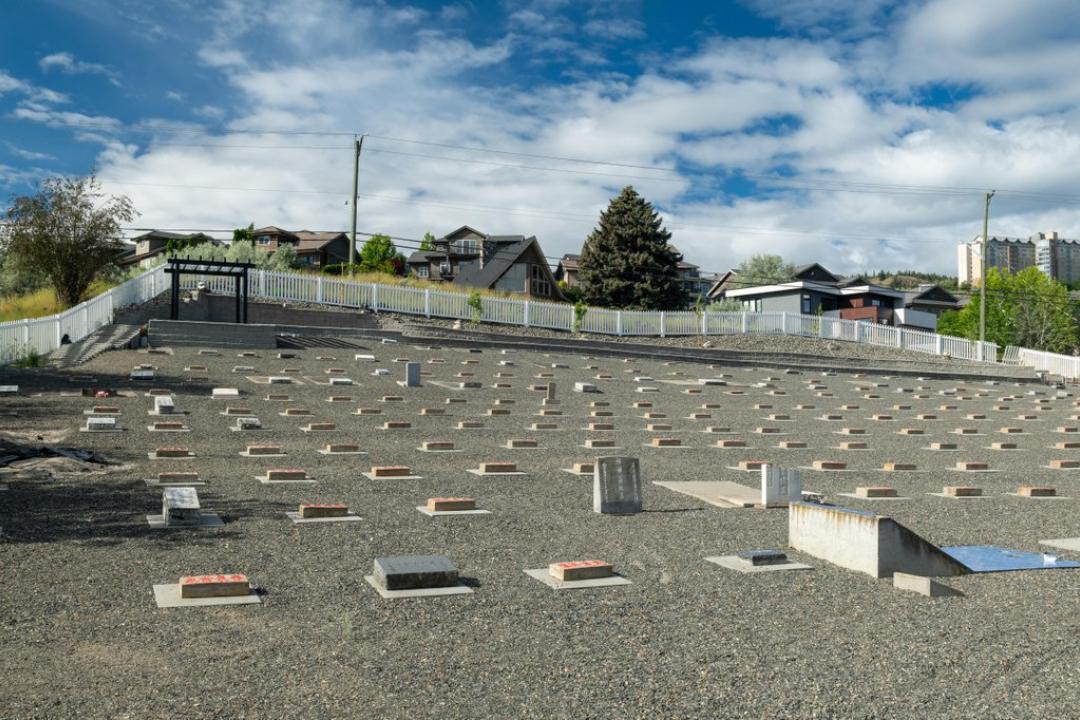
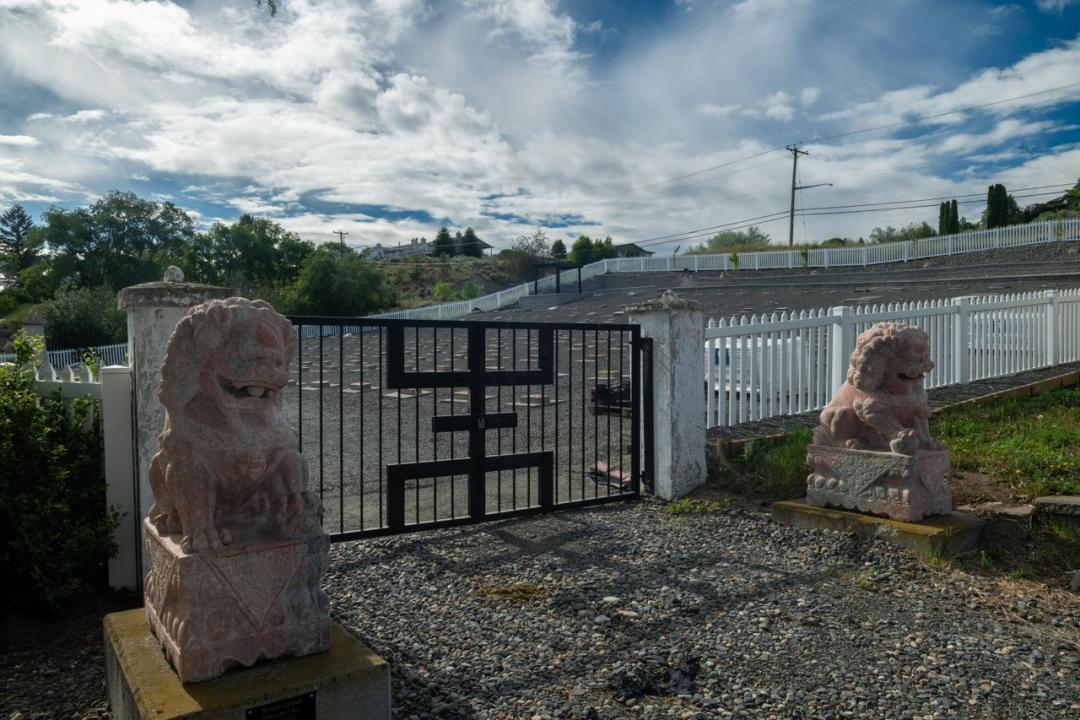
With panoramic views of the Thompson River and Mount Paul, the Kamloops Chinese Cemetery is situated on a sloped and open grassland site. It is located north of Lombard Avenue and east of Hudson's Bay Trail in an area known as the Powers Addition, on the southwestern outskirts of downtown Kamloops. The cemetery contains marked and unmarked graves of Chinese who lived and worked in Kamloops as well as monuments associated with traditional Chinese death ritual practices.
Heritage Value
The Kamloops Chinese Cemetery is representative of the impact of the railway in Kamloops and the resulting substantial Chinese population and strong sense of community that continues to the present day. The Canadian Pacific Railway was built through Kamloops in the 1880s and over 17,000 Chinese workers were brought in to build the Yale-Kamloops line. After the completion of the rail line in 1885, many Chinese settled temporarily in Kamloops, ballooning in population to over 400 residents in 1890; over one-third of the Kamloops population at that time. Chinese residents were given a small section west of First Avenue in the original town site for their Chinatown.
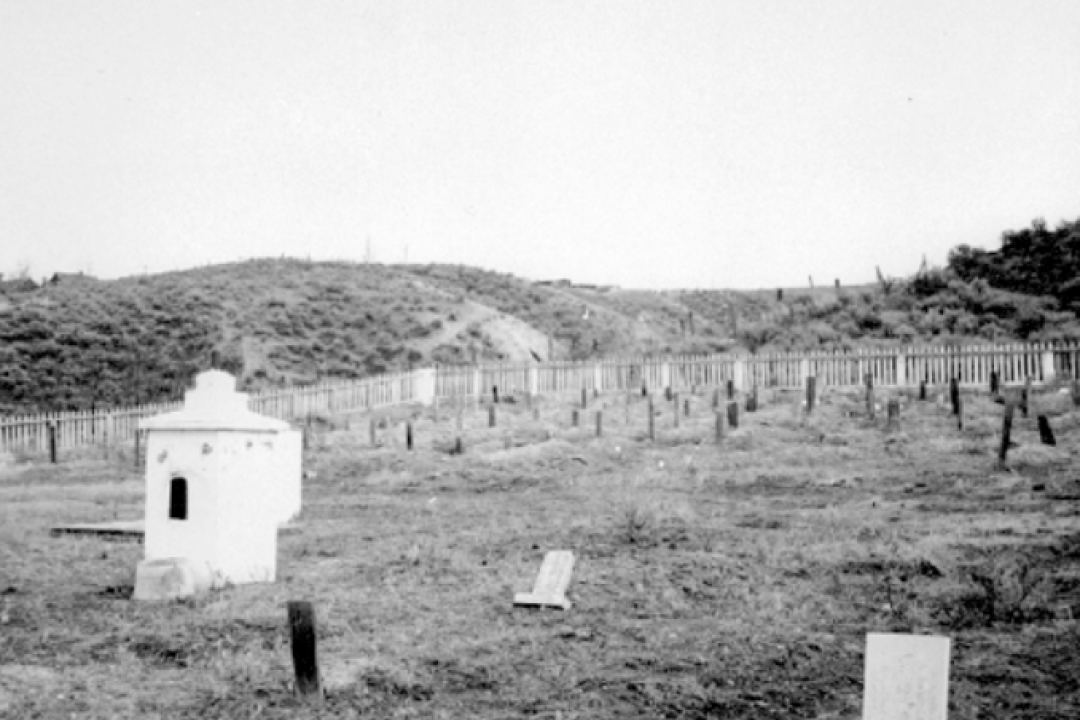
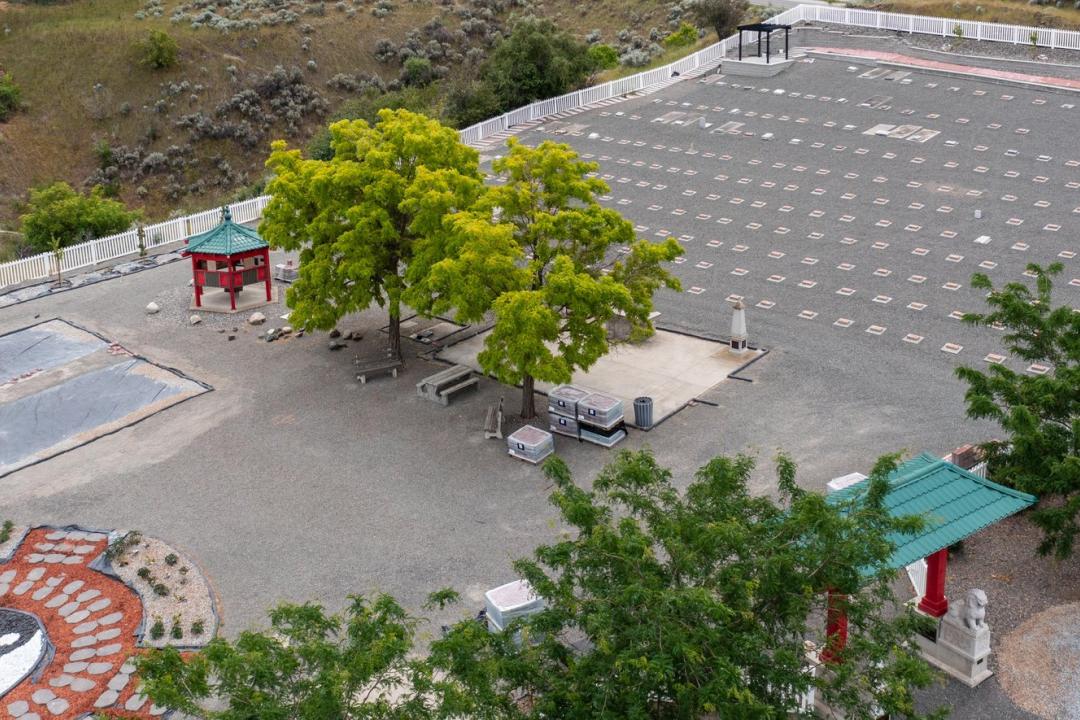
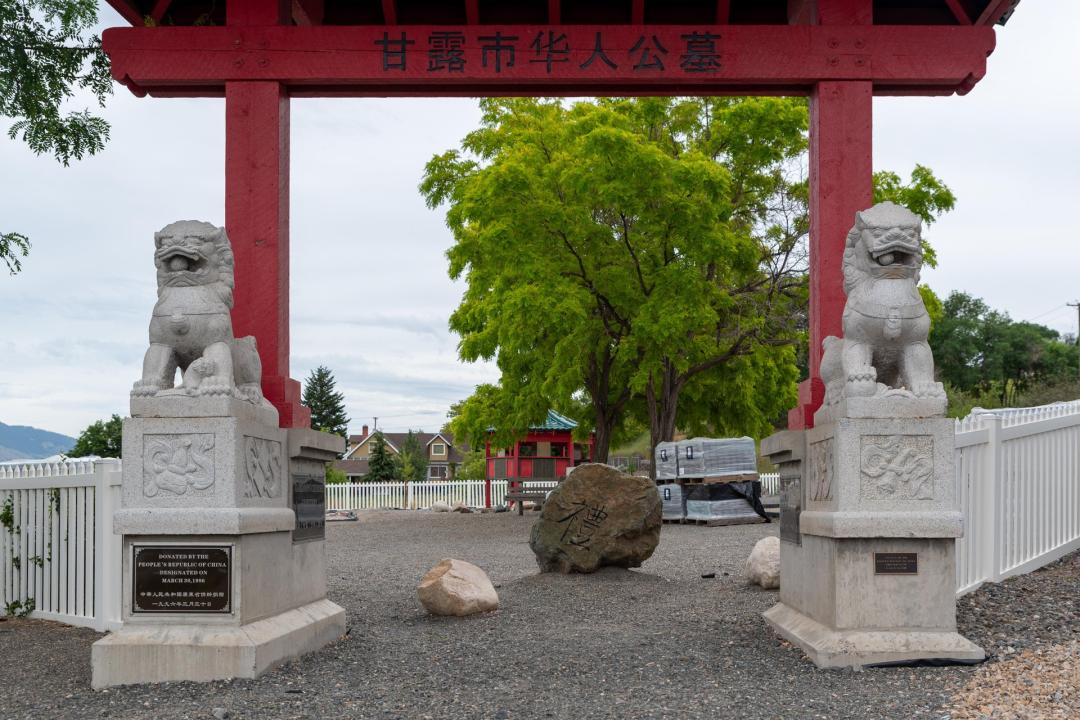
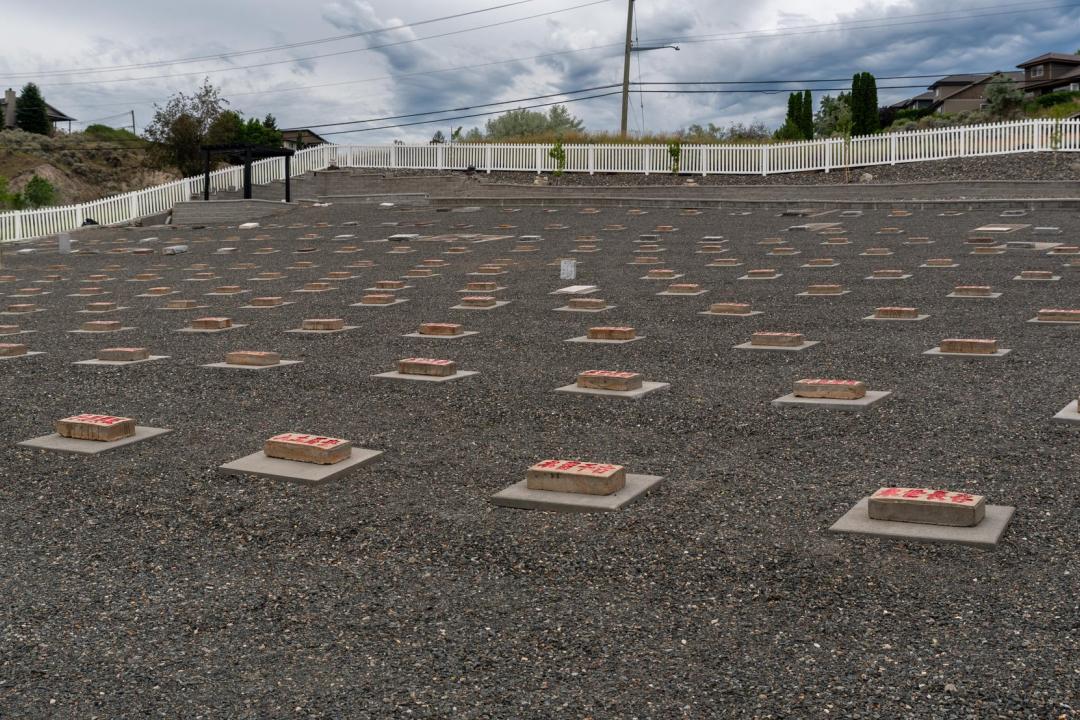
The Kamloops Chinese Cemetery is also valued for its reflection of traditional Chinese death ritual practices transplanted into the Western frontier context. Exacerbated by political and environmental turmoil in China, from approximately the 1850s to the 1910s, thousands of Chinese migrated from a small region in the coastal province of Guangdong, China to frontier gold rush sites around the world with the intention of eventually returning home. Temporary Chinese burial grounds were set up in many communities and most followed a basic blueprint in their spatial arrangement and material culture. The Guangdong Chinese practiced secondary burial, a traditional custom where, after seven to ten years, bones of the deceased were disinterred by organized bone collectors, transferred to a centralized bone house and shipped back to China for reburial in family plots. Rituals associated with the choice of site (fengshui), burial of the deceased and cyclical rituals such as Qing Ming are distinctly Chinese. The Kamloops Chinese Cemetery has clear evidence of traditional Chinese death ritual practices. It is situated on a north-south axis sloped site with views of the Thompson River, which are important tenets of fengshui. Evidence of disinterred plots is visible on the landscape, and traditional funerary monuments are present including a stone altar and a funerary burner. Non-Chinese influences are reflected in the tombstone styles. The pervasive ideology of honouring the deceased continues to the present day with the recent addition of the wooden plank grave markers and Asian-inspired pagoda and gateway.
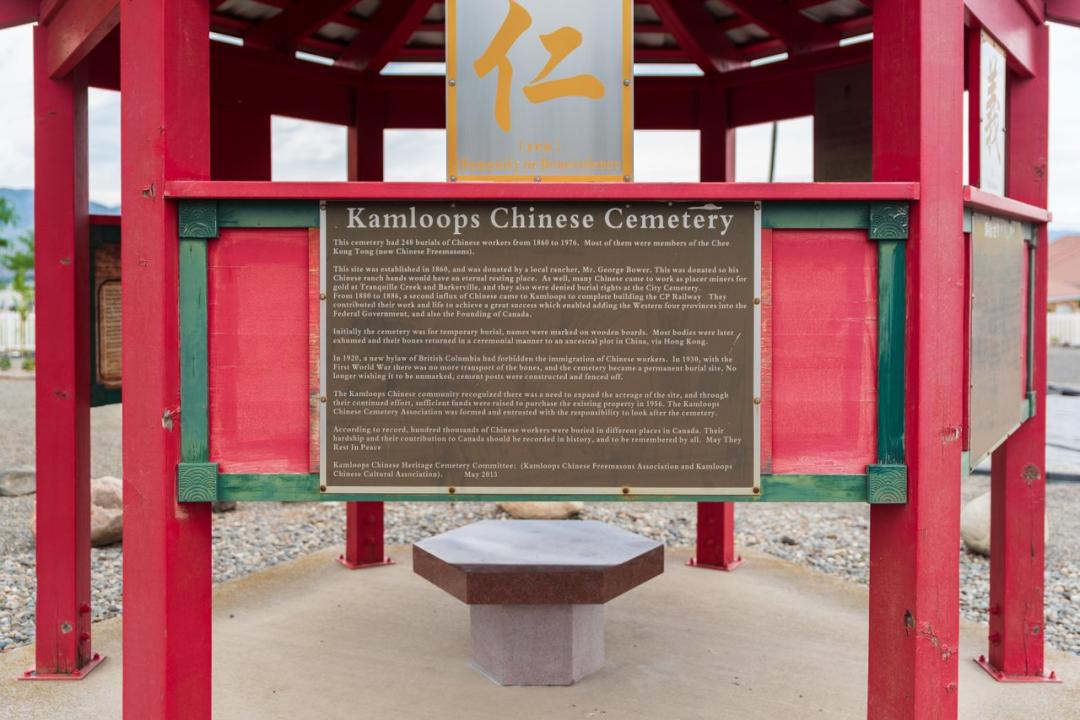
The Kamloops Chinese Cemetery is further valued as symbolic of the transition of the Chinese community from temporary to permanent in the 1920s, and as one of Canada’s largest and oldest intact Chinese cemeteries. The majority of Chinese immigrants in Kamloops were temporary, Sentinel in 1887, the Kamloops Chinese Cemetery was set up by the Chinese as a temporary burial place. As Chinese were banned from burying their deceased in the Pioneer Cemetery, the Hudson’s Bay Company allowed the Chinese to select a burial site on land that they owned south of town. The site was demarked by a wooden picket fence, and a stone altar and burner were placed at the north end of the cemetery. Graves were unmarked until after the Chinese Exclusion Act of 1923, when Chinese began to settle permanently in Kamloops. This is clearly reflected with the introduction of permanent, marked tombstones, the first of which occurred in 1927. Most marked graves date from the 1930s to the 1960s; the Chinese Cemetery was closed in 1979. The site now contains approximately 125 burial plots, over 50 of which were disinterred.
In the present day, members of the Chinese community have been actively involved in restoring and rehabilitating the Chinese Cemetery as a place of community commemoration and worship through a partnership with the City of Kamloops and the Kamloops Chinese Cemetery Heritage Society.
Character-Defining Elements
Key elements that define the heritage character of the Chinese Cemetery include its:
- location on sloped, rolling topography with views of the Thompson River and Mount Paul
- situation on an open plot of grass and sagebrush vegetation, south of Lombard Avenue and east of Hudson's Bay Trail
- original and early elements of the burial ground including interred and disinterred grave plots and cast concrete gate posts
- variety of permanent gravestone materials such as carved granite, cast concrete and ceramic tile grave markers set on a north-south axis and inscribed with the names and birthplace of deceased Chinese
- variety of gravestone styles such as shouldered and domed headstones with Masonic and Chinese symbols
- variety of modern commemorative structures associated with traditional Chinese death ritual practices such the wooden plank grave markers, the cast concrete altar, funerary burner and memorial, wooden pagoda and Chinese inspired wooden gateway